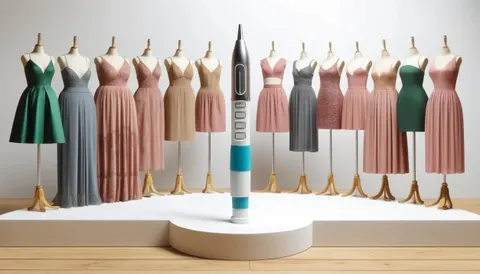
How GLP-1 Drugs Are Reshaping the Human Body and Forcing Apparel Brands to Rethink Fit
GLP-1 Drugs Are Reshaping Bodies. Apparel Brands Must Now Rethink Fit for the New Human Form.
The rise of GLP-1 medications like Ozempic, Wegovy, and Zepbound is reshaping the bodies of millions of consumers. Unlike traditional weight-loss patterns, GLP-1 drugs produce unique and often uneven changes in body composition, causing apparel fit to break in ways designers have never needed to account for.
Below is a visual overview of how GLP-1 is influencing body shape trends.
A New Body Shape Is Emerging Due to GLP-1
1. Uneven Fat Loss (Most Common Change)
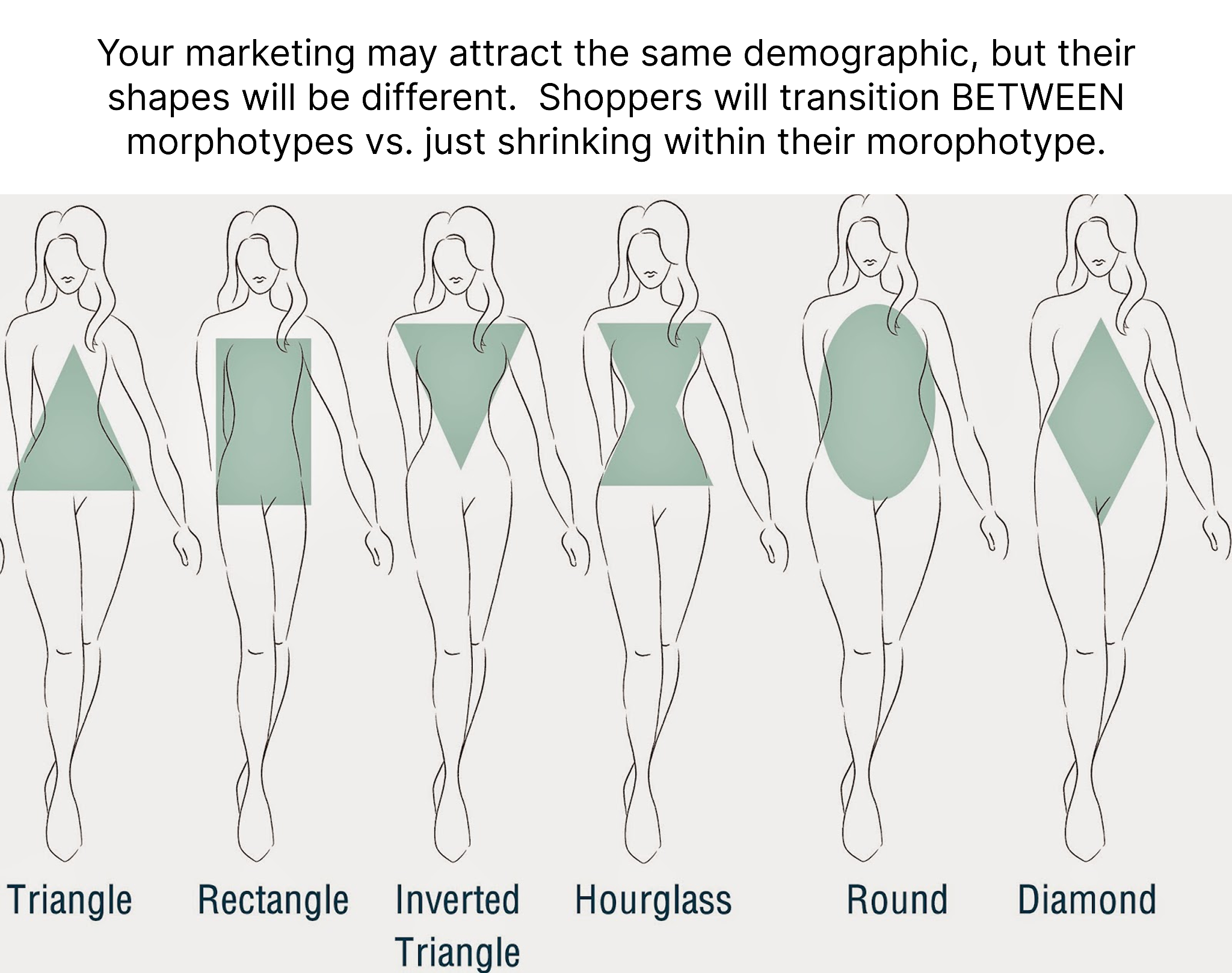
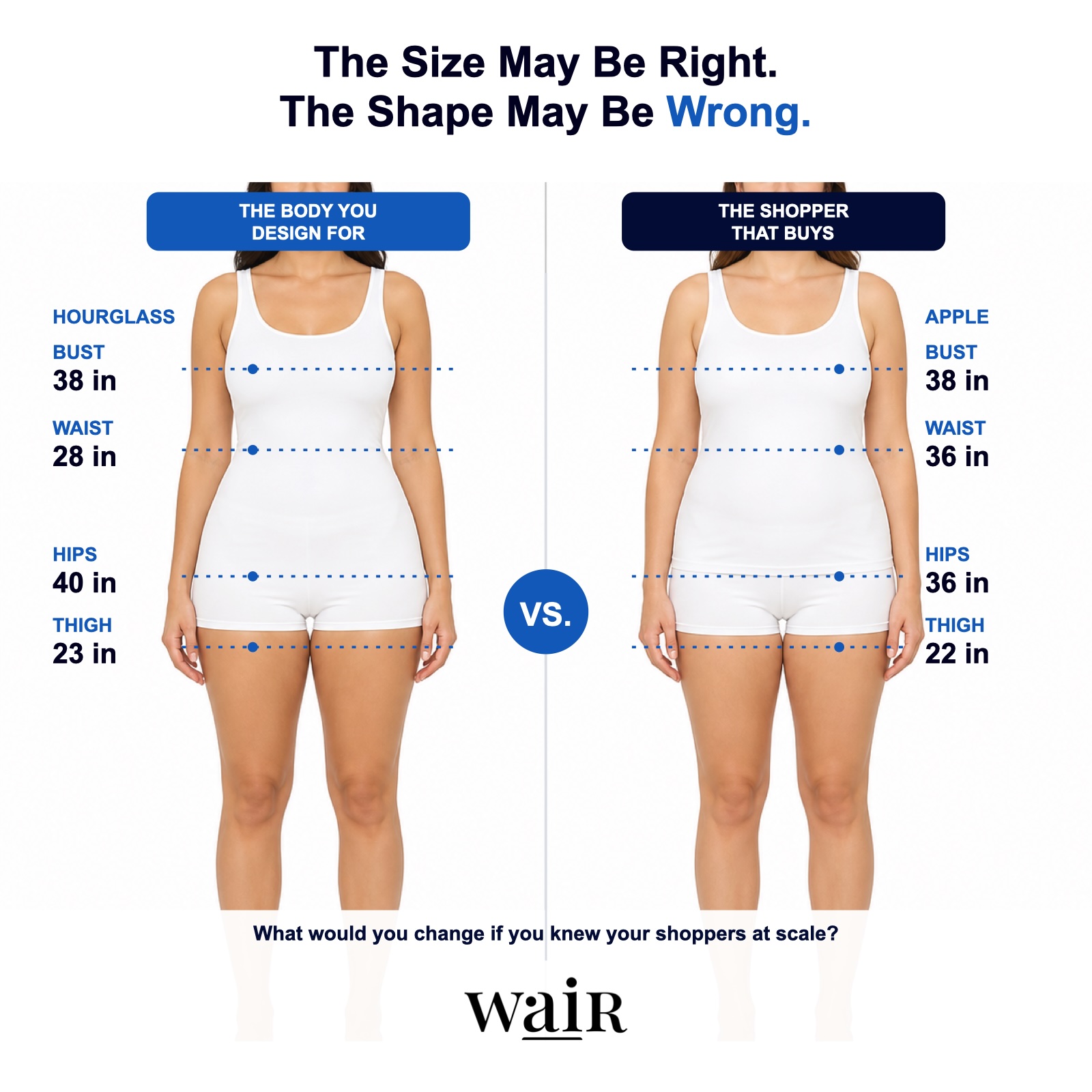
GLP-1 users typically lose fat in the midsection first, while hips, thighs, and glutes may retain mass longer. This produces a body shape shift from rounder torsos to more tapered silhouettes. This creates challenges for apparel designers because waist-to-hip ratios increase, making standard grading rules less accurate.
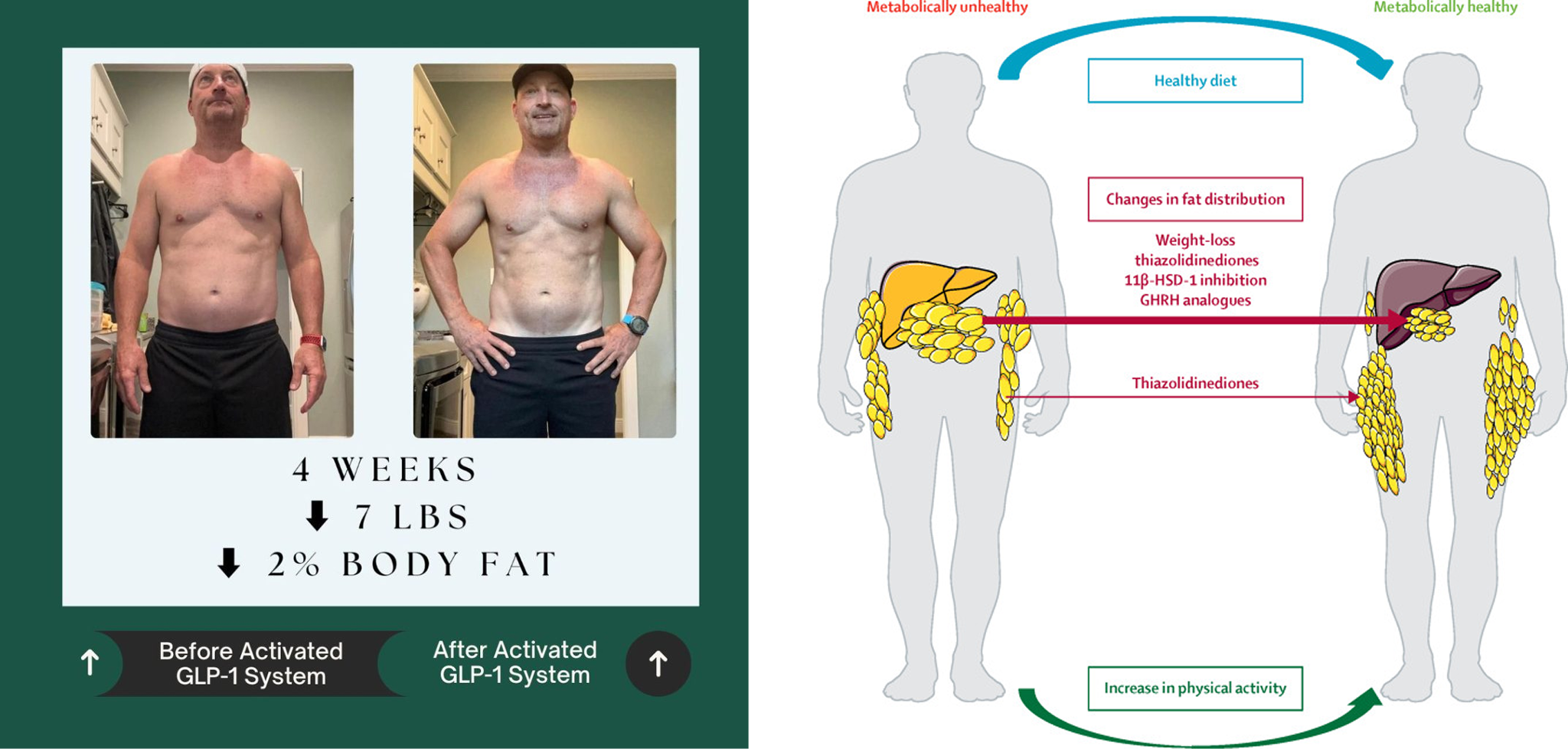
2. Rapid Reduction in Midsection Circumference
GLP-1 medications often lead to rapid abdominal fat reduction. This makes shoppers size down faster than expected, and sometimes unpredictably.
For brands, this intensifies:
• inventory volatility
• return risk
• inconsistency in fit satisfaction across styles
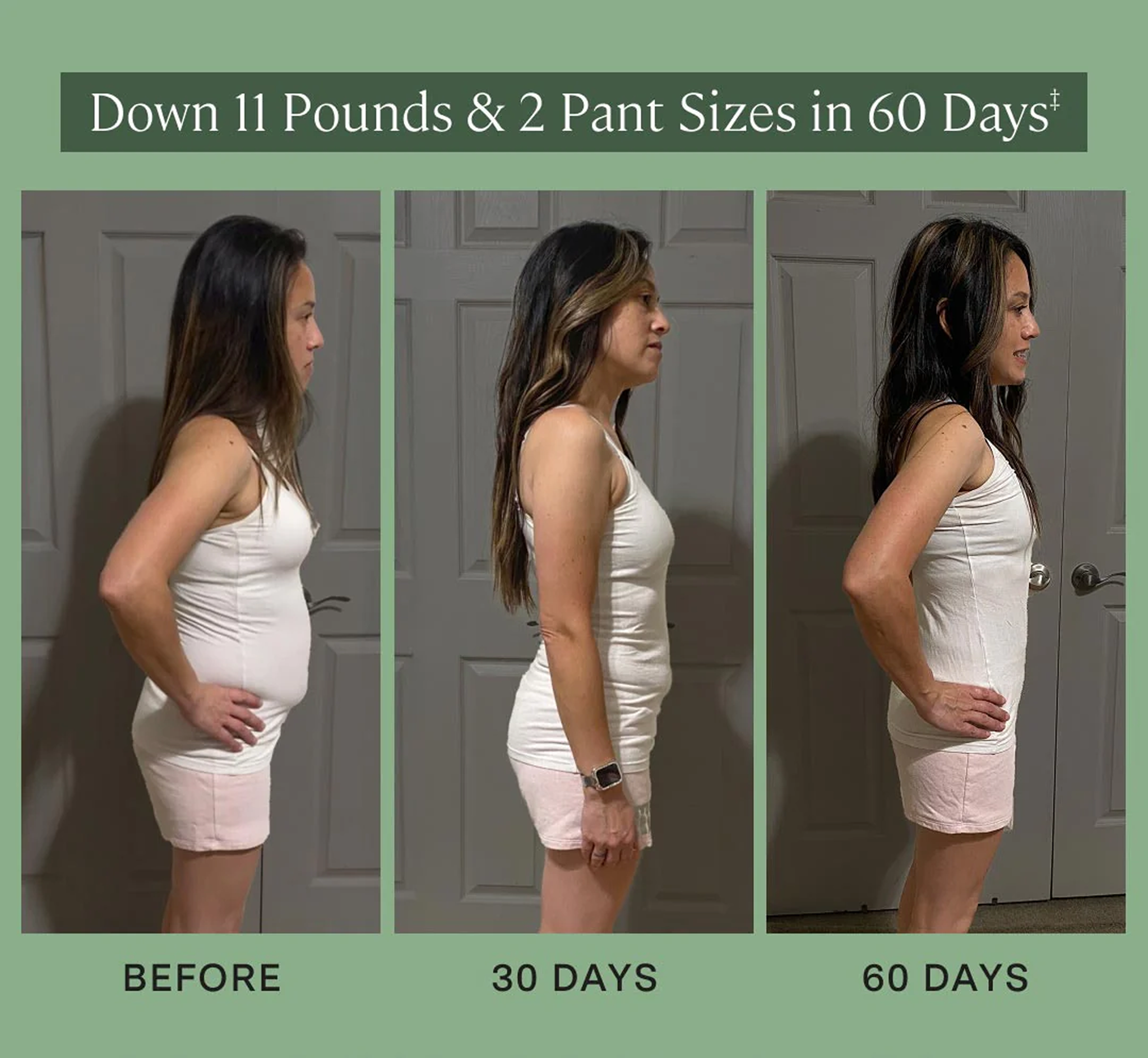
3. Muscle Loss in Shoulders and Arms (If Not Strength Training)
Without resistance training, GLP-1 users may lose lean mass. This results in narrower shoulders, softer arms, and decreased garment support needs. This particularly impacts tops, dresses, and tailored garments.

4. Accelerated Size Cycling
GLP-1 users may drop 2 to 6 sizes over months. Their bodies transition through multiple distinct shapes, not just smaller versions of their original shape. Apparel brands must design for dynamic fit, not static measurement tables.
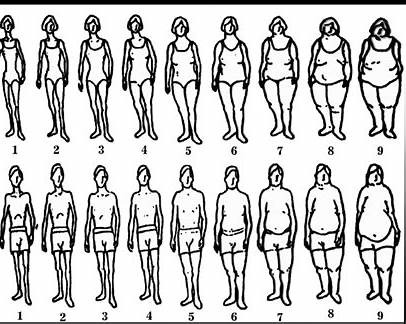
Why This Matters for Apparel Brands
Traditional sizing systems assume stable proportions. GLP-1 bodies break these assumptions:
• The torso becomes narrower much faster than the hips.
• Shoulders may narrow while legs retain mass.
• Bodies become more variable across the population.
• Standard size charts lose accuracy rapidly.
Designers must adopt new strategies to keep fit consistent.
Designers Must Rethink Fit for the New Human Form
1. Grading Must Evolve
Assumptions like “if the waist shrinks, the hips shrink proportionally” no longer hold true.
2. Fit Models Must Diversify
Brands will need GLP-1 influenced fit models across sizes to better reflect modern bodies.
3. Flexible, Adaptive Fit Becomes Essential
Designers may rely more on:
• elasticized waistlines
• adjustable closures
• stretch panels
• modular patterns
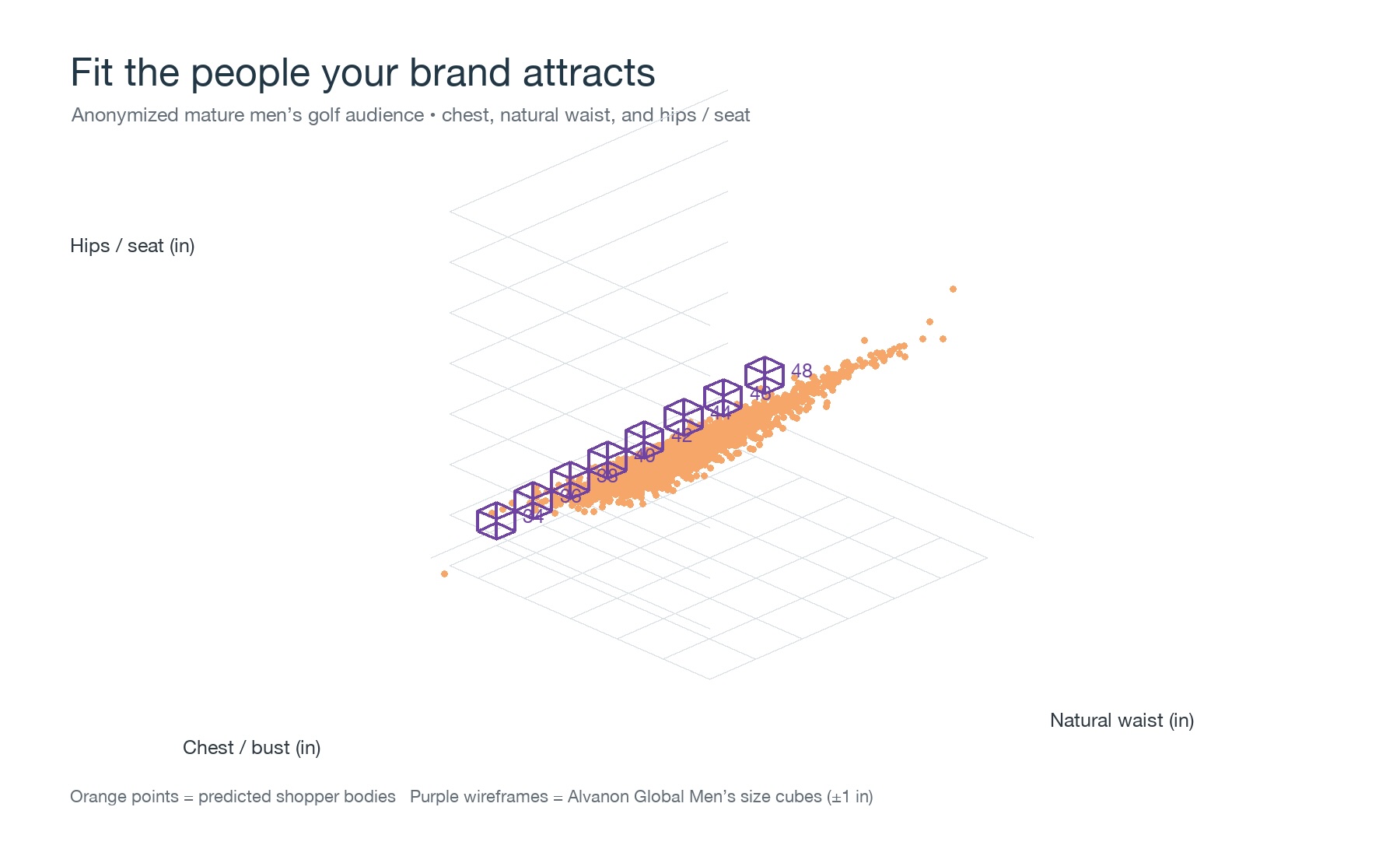
4. Data Must Guide Design
Brands can no longer rely on intuition or historical grading.
They must use real body measurement data to redesign fit for today and tomorrow.
The Role of WAIR in Understanding GLP-1 Body Evolution
WAIR has performed 3D body scans on more than 5 million people across 80 countries and scans 1 million people per year. The importance of using body data in the operations of an apparel business is more important now than ever as pharma is enabling the rapid change of the population at record speed and at scale.
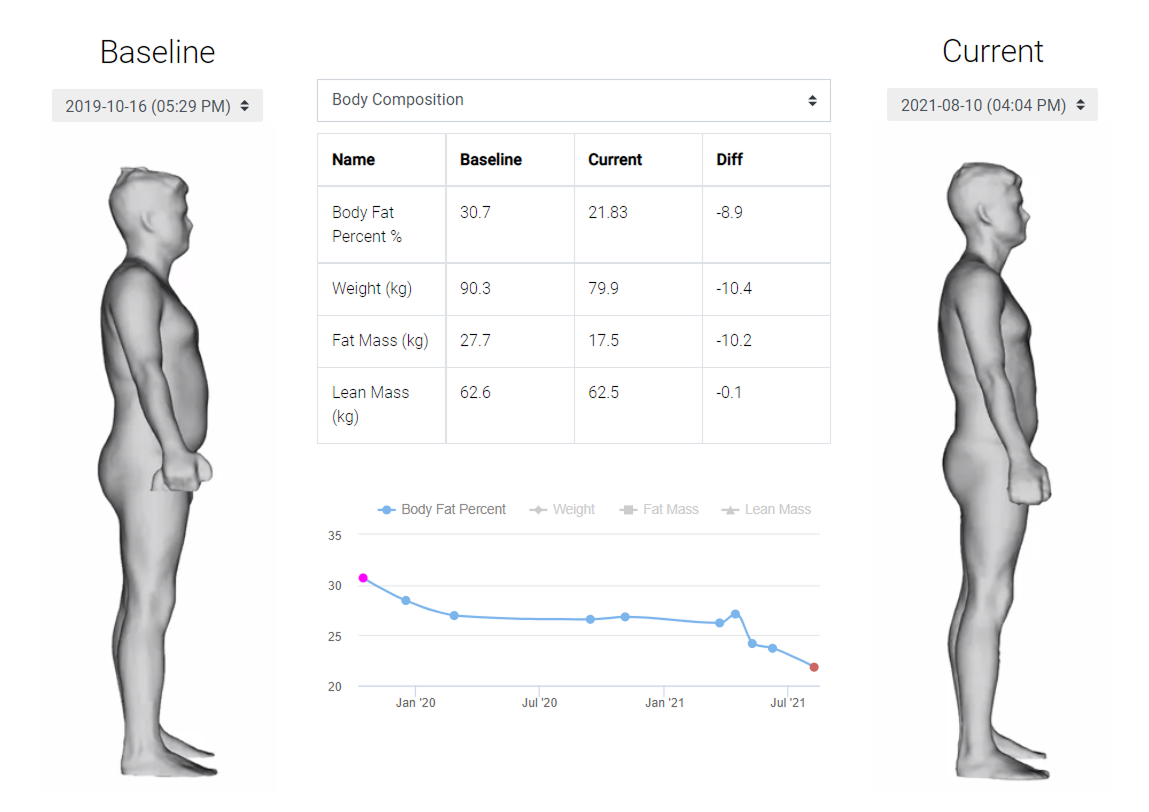
What the data shows:
• Waist circumferences are dropping faster than hip circumferences.
• Shoulder-to-waist proportions are narrowing.
• Torso length-to-girth relationships are shifting.
• Fit inconsistency across SKUs increases without updated grading.
This data helps brands:
📊 Detect emerging body shape patterns
🧵 Update block patterns and grading
📦 Improve SKU-level inventory allocation
🛍️ Provide accurate size recommendations in real time
Fit Guidance Must Adjust to Rapid Body Change
Because GLP-1 users can change sizes multiple times a year, shoppers will rely heavily on technology to determine "what fits me right now or… what will fit me next month given my rapid changes"
WAIR’s Body Prediction AI and Fit Recommendation AI ensures each shopper receives highly personalized recommendations that evolve as body shapes evolve.
When fit confidence increases:
• Conversion improves
• Returns drop
• Customer satisfaction rises
• Product reviews improve
• Loyalty strengthens
Conclusion: The Future of Fit Belongs to Data-Driven Brands
GLP-1 medications are not a temporary trend. They are creating a permanent, population-wide change in body morphology.
The apparel brands that adapt will be those that:
✔ use body measurement data to redesign fit
✔ evolve their grading logic
✔ rethink who their fit models represent
✔ build more flexible, adjustable garments
✔ deploy fit-confidence technology like WAIR
The human form is changing. Apparel must change with it.
WAIR is already mapping that evolution - and helping brands design for it.


Want to be notified of our newest episodes?
Subscribe to our Podcast!