What Sciatica Taught Me About Apparel Returns
What Sciatica Taught Me About Apparel Returns
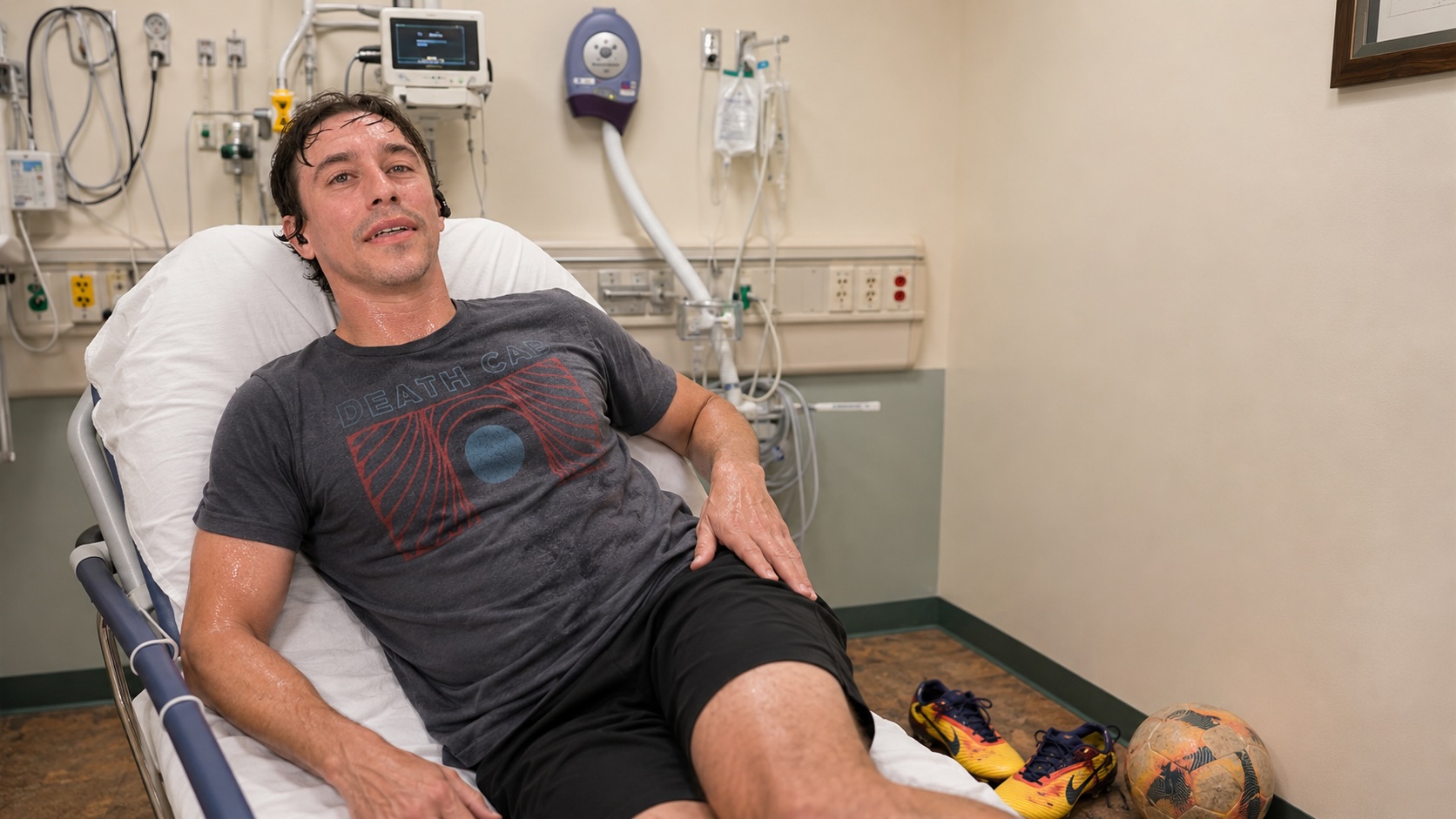
Last Thursday night, I played in a soccer game.
I felt good. Really good, actually. Good enough that on Friday I decided to train pretty hard. I got through the workout, woke up Saturday, and still felt great. So, naturally, I trained again.
That is where the story probably should have stopped.
But it didn’t.
At some point after that, I felt what I thought was a glute pull. It was uncomfortable, but it felt like the kind of thing I could probably work through or at least manage with some stretching, rest, and a little stubborn optimism. Then the pain started to change. It wasn’t just a tight muscle anymore. It started running down my leg. Then came the part that got my attention: I couldn’t properly feel part of my foot.
That is when the whole thing went from “I probably overdid it” to “okay, this is not normal.”
For the next few days, the pain became part of everything. Sitting hurt. Standing hurt. Sleeping was difficult. Getting out of bed required thought. Getting into the car required thought. Walking around the house required thought. Even playing with my kids felt different, and honestly, that one got me.
Like most stubborn people, I tried to convince myself that ibuprofen and optimism would solve it. By day four, I had taken more ibuprofen than I’d like to admit, scheduled a doctor’s appointment, and developed a very real appreciation for people who live with chronic pain every day.
What surprised me most wasn’t just the pain itself. It was how quickly the pain became the center of my attention.
Pain has a way of shrinking your world. Not because nothing else matters, but because it becomes almost impossible to ignore. It sits in the background of every decision. How long can I sit here? Is this going to make it worse? Should I stand up? Should I lie down? Why can’t I feel my foot?
And somewhere in the middle of all of this, I found myself thinking about apparel returns.
Not because apparel returns are comparable to physical pain. They are not, and I don’t want to make that comparison carelessly. But the experience reminded me of something that is true in business and in life:
We dramatically underestimate problems we don’t personally experience.
Before this week, I understood chronic pain intellectually. I knew it was awful. I could empathize with people dealing with it. But there is a difference between understanding something from a distance and feeling how much it can take over someone’s day.
I think something similar happens in ecommerce.
Brands understand returns intellectually. They know returns are expensive. They know reverse logistics are painful. They know refunds hurt margin. They know exchanges create operational complexity. They know support tickets take time. They know inventory gets distorted when products come back into the system.
All of that is true.
But shoppers don’t experience a “return rate.”
They experience uncertainty.
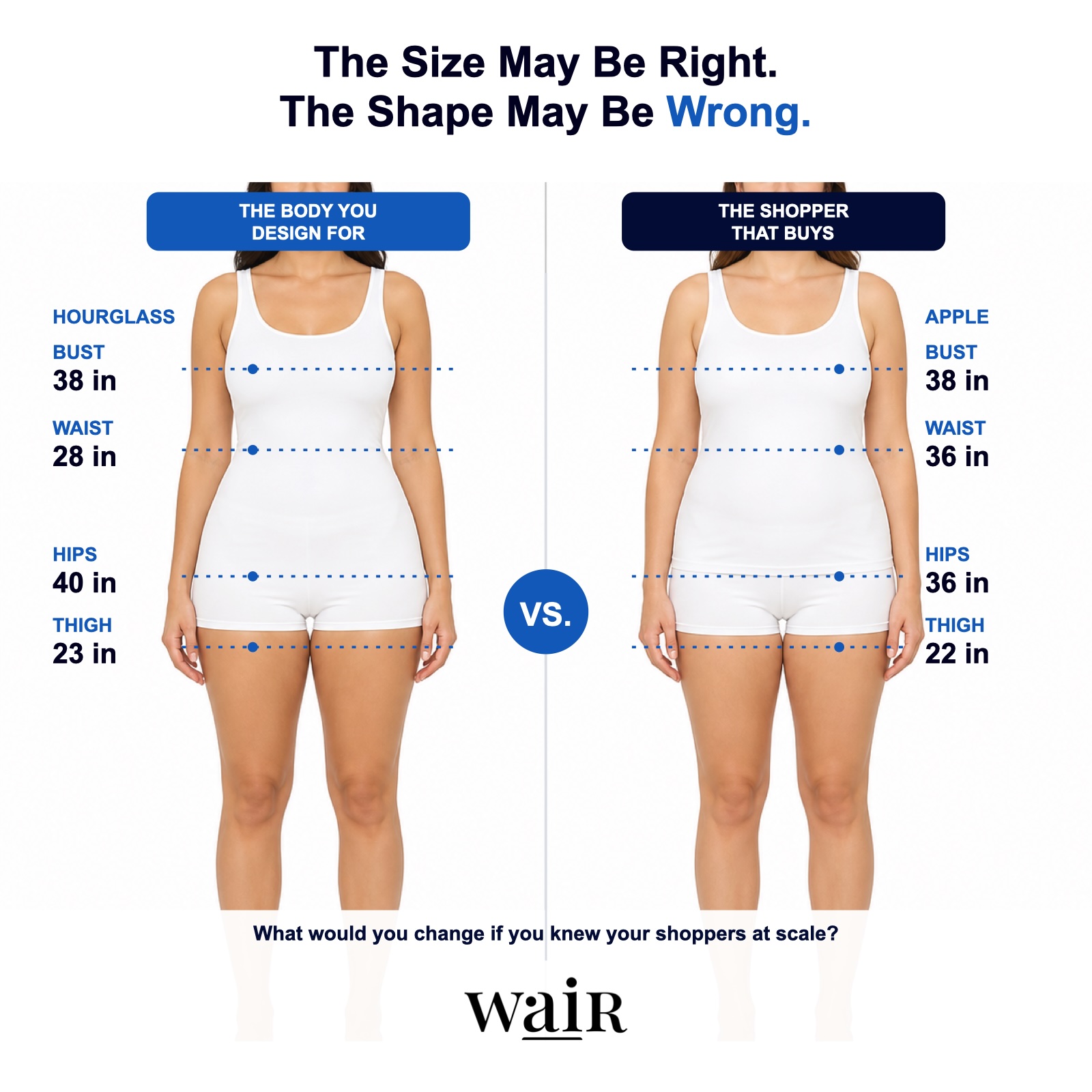
They experience doubt before they buy. They stare at a product page and wonder whether the model’s body looks anything like theirs. They check the size chart, then read reviews, then compare against another brand they bought last month, then still aren’t sure. They debate whether to buy one size or two. They wonder whether the garment is supposed to fit snug, relaxed, oversized, cropped, structured, stretchy, or forgiving.
And then, if they decide to buy, they wait.
They wait for the order to arrive. They try it on. And in a few seconds, they know whether the experience worked or failed.
When it fails, the brand sees a return.
The shopper experiences something much bigger.
They experience disappointment. They experience inconvenience. They experience the frustration of packing it back up, printing a label, finding a drop-off location, waiting for a refund, and deciding whether they even want to try again.
By the time the return shows up in the dashboard, the customer has already lived through the problem.
The return is just the symptom.
The real issue started earlier.
It started when the shopper didn’t trust the size guidance. It started when the size chart didn’t match their body. It started when the product page failed to answer the most important question in apparel ecommerce:
Will this actually fit me?
That’s the part I think many brands miss.
Returns are measurable. Frustration is harder to measure.
But frustration is what changes customer behavior.
It is what makes someone abandon the cart. It is what makes someone order multiple sizes. It is what makes someone keep a product they don’t love because returning it is too annoying. It is what makes someone say, “I like the brand, but I never know what size to buy.” And over time, it is what makes someone stop coming back.
At WAIR, this is the problem we’re focused on solving.
Not just reducing returns after the fact. Not just making the return process easier. But helping shoppers make better size decisions before the frustration ever happens.
That means understanding the shopper’s body. It means understanding the product. It means understanding how the garment is intended to fit. It means learning from what similar shoppers bought, kept, returned, and said about the fit.
Because fit is not just a size chart problem.
It is a confidence problem.
When shoppers feel confident, they buy differently. They convert at a higher rate. They order with less hesitation. They are less likely to bracket multiple sizes. They are more likely to keep what they buy. And most importantly, they are more likely to trust the brand the next time they shop.
That trust matters.
Every fit experience teaches the shopper something. It teaches them whether your sizing is reliable. It teaches them whether your product pages are helpful. It teaches them whether buying from you feels easy or risky.
And in a market where customer acquisition keeps getting more expensive, the last thing a brand should want is to create unnecessary friction after the customer has already decided they want the product.
My sciatica will hopefully pass. I’ll see the doctor, follow the advice, and do what I need to do to get back to normal.
But I also recognize that for many people, pain doesn’t simply pass. It isn’t a temporary inconvenience or something that can be solved with a few days of rest and a doctor’s visit. There are people who live with pain every day, and most of us who don’t have to live that way probably underestimate how much strength that takes.
That is the part I want to be careful with.
I don’t want to use physical pain as a convenient metaphor and pretend it is the same thing as a frustrating shopping experience. It is not. But the experience did remind me how easy it is to underestimate a problem when we are not the ones living through it.
And in apparel ecommerce, the customer’s frustration is often hidden behind clean dashboards and familiar metrics.
A return rate may tell you what happened. But it doesn’t tell you how the customer felt before, during, and after the experience. It doesn’t tell you how much uncertainty existed before checkout. It doesn’t tell you how much confidence was lost when the product didn’t fit. It doesn’t tell you whether that customer will come back.
The difference is that sizing confusion is solvable.
Size-related returns are not an unavoidable part of selling apparel online. They are often the result of unclear guidance, inconsistent fit expectations, poor product-level data, and a lack of understanding about the shopper’s body.
That is fixable.
The best brands are going to look beyond the return. They’re going to ask better questions.
Where are shoppers uncertain? Where are they losing confidence? Where are they buying multiple sizes because we haven’t earned their trust? Where are fit issues creating avoidable friction? And how do we solve the problem before it becomes a return?
Because returns aren’t the real problem.
They’re the signal.
The real opportunity is to remove the frustration that caused them in the first place.


Want to be notified of our newest episodes?
Subscribe to our Podcast!